Adult neuro rehabilitation.
Structured, goal-based rehabilitation for adults after neurological injury or illness.
Neurological conditions change movement, communication, thinking and independence in ways that medicine alone cannot fully address. Adult neuro rehabilitation at Neuranta uses assessment-led, goal-based programmes — delivered inpatient, day-care or outpatient — to retrain function and rebuild independence, with families involved and progress reviewed honestly.
Stroke Rehabilitation
A stroke can change movement, speech, swallowing, memory and confidence within minutes — and recovery is rarely finished when the hospital stay ends.…
Spinal Cord Injury Rehabilitation
A spinal cord injury affects far more than movement — bladder and bowel routines, skin care, transfers, seating and independence all change.…
Traumatic Brain Injury Rehabilitation
Recovery after a traumatic brain injury is often uneven — physical abilities, thinking skills, behaviour and stamina can each be affected…
Guillain-Barré Syndrome Rehabilitation
Guillain-Barré Syndrome often improves substantially — but the road back from severe weakness can be long, and doing too much too soon can set…
Parkinson’s Rehabilitation
Parkinson’s disease changes movement gradually — steps shorten, turns slow, handwriting shrinks, voices soften. Rehabilitation cannot stop the…
Multiple Sclerosis Rehabilitation
Multiple sclerosis is unpredictable — symptoms differ between people and can fluctuate over time. MS rehabilitation is therefore built around…
Paralysis Rehabilitation
“Paralysis” is a word families use for many different conditions — after stroke, spinal cord injury, nerve disorders or brain injury. Whatever the…
Gait & Balance Rehabilitation
Walking is confidence. When steps become unsteady — after a neurological condition, a fall, or gradual decline — people move less, and moving less…
Vestibular Rehabilitation
Dizziness and vertigo can make ordinary life feel unsafe — turning in bed, looking up at a shelf, walking through a busy market. Vestibular…
Neuromuscular Rehabilitation
Neuromuscular conditions — including muscular dystrophies, myopathies and peripheral nerve disorders — need a careful, informed approach to exercise:…
Post-Hospital Discharge Rehabilitation
Discharge day is often when families realise how much recovery is still left — stairs not yet climbed, strength not yet back, routines not yet…
Inpatient, day-care and outpatient options
Inpatient rehabilitation
Structured stay-in rehabilitation with daily therapy and caregiver involvement — often considered when intensive input or travel from another city makes daily visits impractical.
Day-care rehabilitation
Several therapy sessions in a single visit, returning home the same day — a middle path between admission and standard visits.
Outpatient rehabilitation
Scheduled sessions for patients living in or near Gurugram, or continuing a programme after an inpatient stay.
The appropriate care model is discussed after assessment — please do not feel you must choose one before speaking with the team. Learn about care & programs.
A clear pathway for outstation families
Most Neuranta families travel from outside Gurgaon. You do not need to travel first to find out whether rehabilitation is suitable.
Share reports from home
Send recent medical reports and a short video of current mobility or communication, with your consent, before planning any travel.
Preliminary call & video consultation
Our team reviews the reports, calls you to understand goals, and arranges a video consultation where appropriate.
Plan the visit
If an in-person assessment is advised, we help you plan travel, documents, caregiver needs and nearby accommodation options.
See Patients From Outside Gurgaon, Plan Your Visit and Nearby Accommodation Assistance.
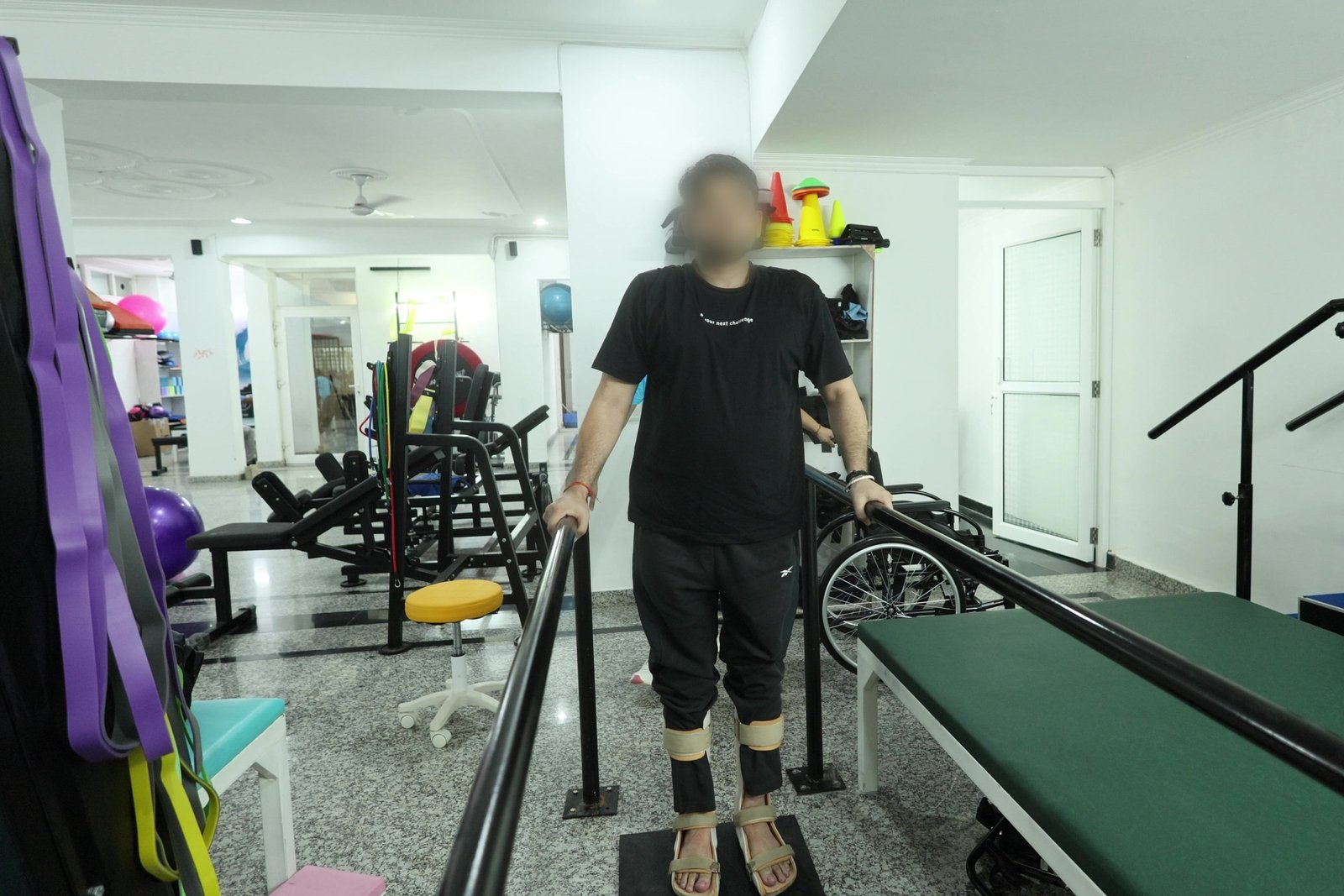
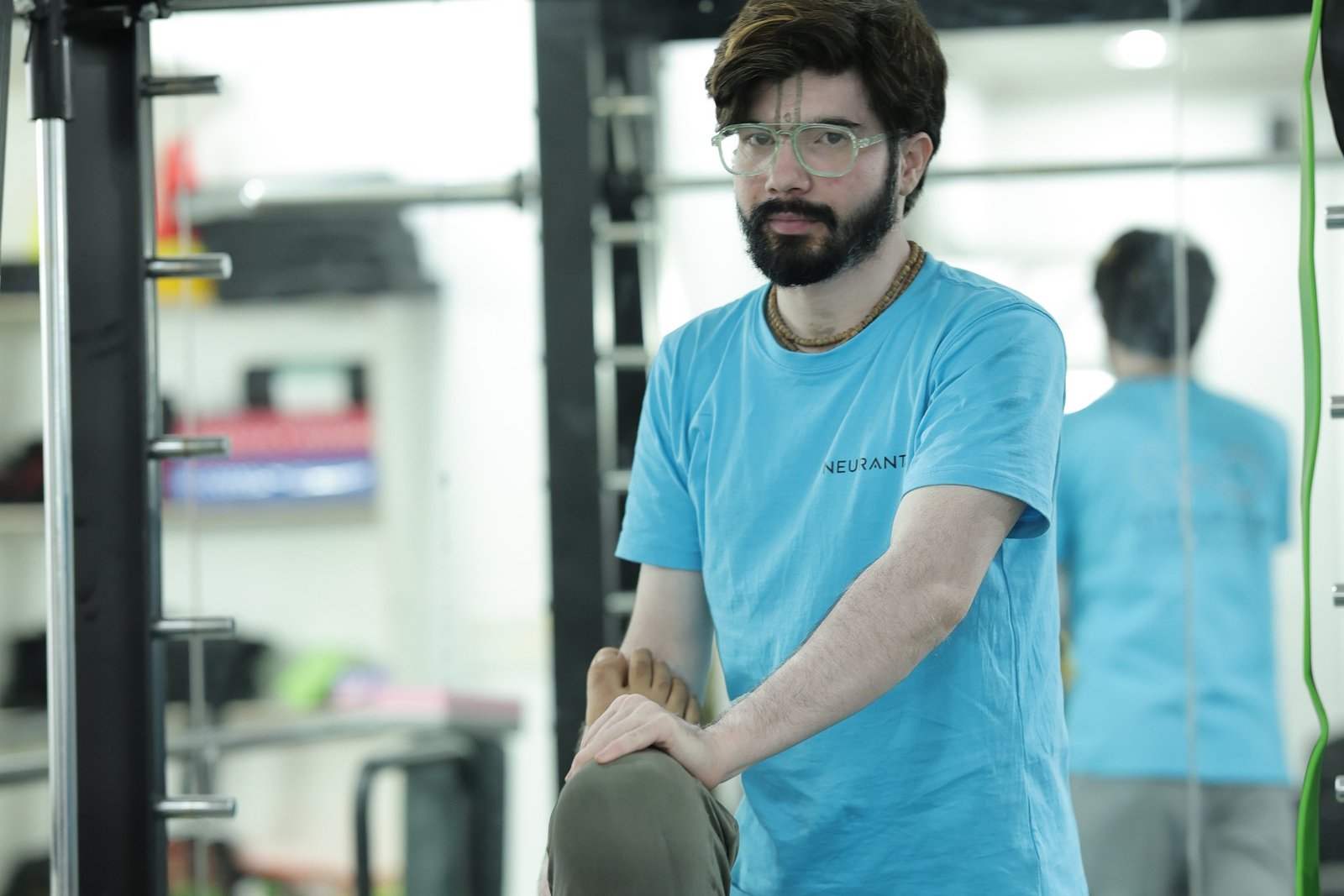
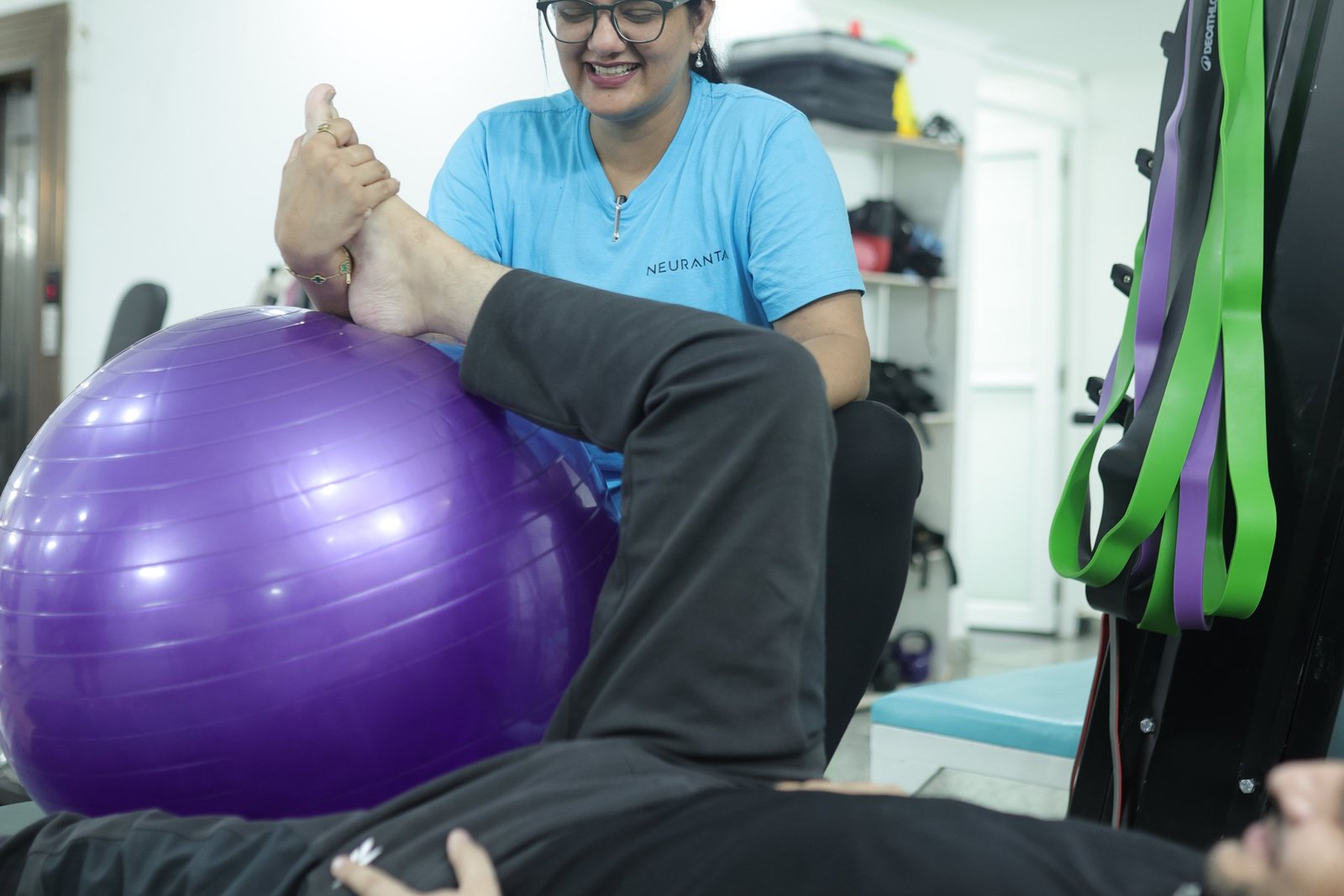
Inside the neuro rehabilitation gym
Gait re-education, joint mobilisation and exercise therapy, photographed at our Sector 39 centre. Our own therapists, our own equipment — nothing here is a stock image.
Let us understand the present condition and help you identify the next appropriate step.
Share recent reports and a short description of the current condition. Our rehabilitation team will call you to discuss assessment and the options that may be suitable.
The information on this website is for general educational purposes and does not replace an individual clinical assessment. Rehabilitation suitability, programme duration and outcomes vary according to the patient’s condition, medical stability, goals and response to therapy.