Inpatient and residential rehabilitation in Gurgaon.
Round-the-clock rehabilitation environment with structured daily therapy — often the practical choice for intensive phases and for families travelling from other states.
Typical situations
- Early recovery phases needing daily, coordinated multi-disciplinary therapy
- Outstation families for whom daily travel is impractical
- Transitions directly from hospital discharge into structured rehabilitation
- Situations where home setup cannot yet support safe care
What families can expect
- Admission after assessment confirms suitability and medical stability
- A structured daily therapy schedule across the relevant disciplines
- Caregiver participation and training built into the stay
- Regular progress reviews with the family; discharge planning from early in the programme
- Room and caregiver-stay options: room categories and caregiver arrangements are confirmed during admission planning
A clear pathway for outstation families
Most Neuranta families travel from outside Gurgaon. You do not need to travel first to find out whether rehabilitation is suitable.
Share reports from home
Send recent medical reports and a short video of current mobility or communication, with your consent, before planning any travel.
Preliminary call & video consultation
Our team reviews the reports, calls you to understand goals, and arranges a video consultation where appropriate.
Plan the visit
If an in-person assessment is advised, we help you plan travel, documents, caregiver needs and nearby accommodation options.
See Patients From Outside Gurgaon, Plan Your Visit and Nearby Accommodation Assistance.
When an intensive block may be considered
Some admissions are structured as concentrated blocks of goal-directed therapy. These are proposed only when assessment suggests the patient can benefit from, and tolerate, higher intensity. Goals are set and reviewed the same way across every care option — what recovery looks like here.
- Patients in recovery phases where concentrated practice may accelerate functional gains
- Outstation families using a defined visit window for maximum value
- Patients preparing for specific milestones — home discharge, return to work or school
- Medical stability and tolerance for intensity, confirmed at assessment, are prerequisites
How an intensive block is structured
- Daily structure: confirmed for each patient after assessment
- Multiple disciplines coordinated around shared functional goals
- Caregiver training threaded through the block
- Progress reviews at defined points with the family
- A written discharge plan and home programme at the end of the block
- Duration: proposed as a range after assessment and reviewed at progress meetings
Where patients stay
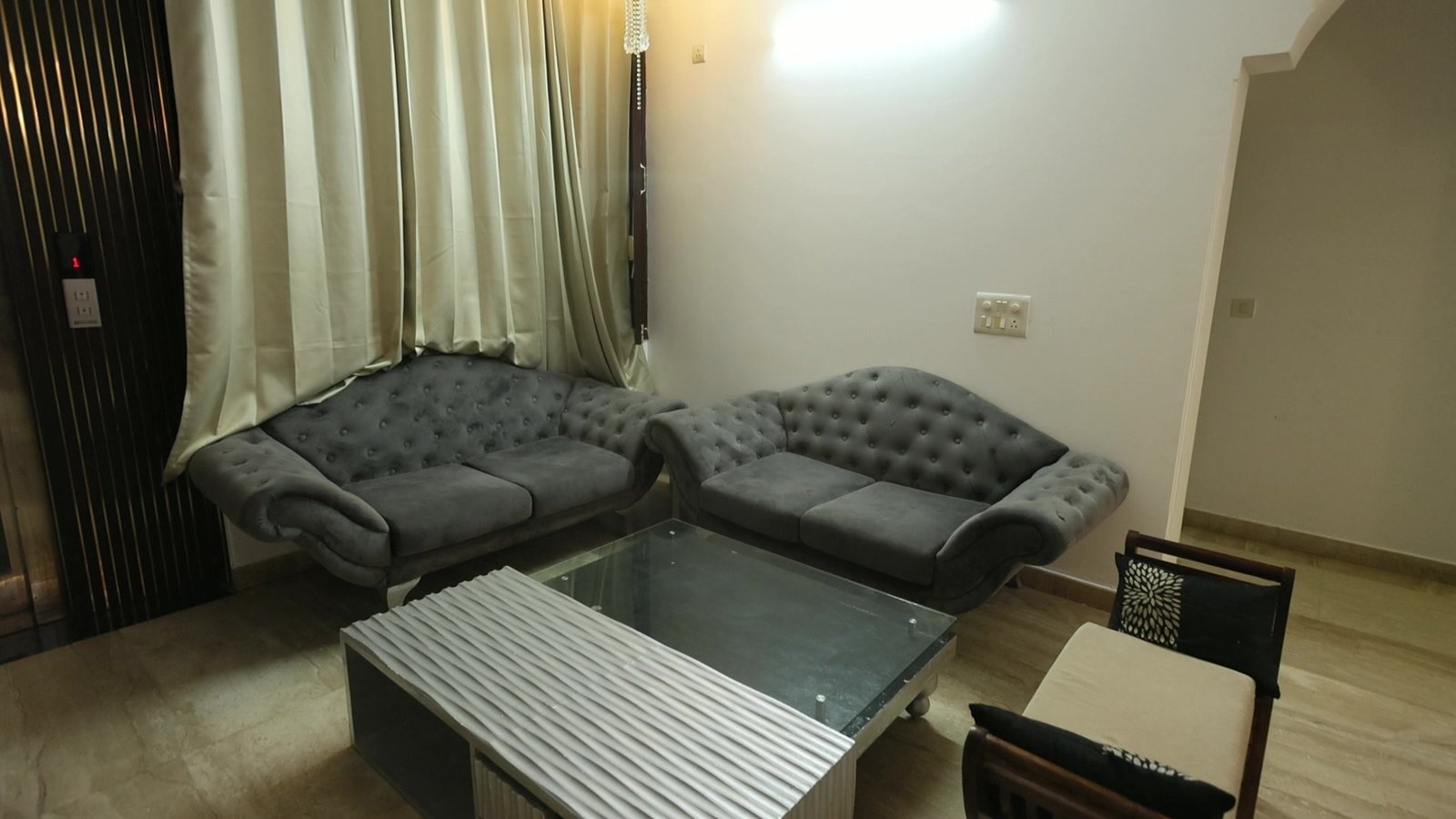
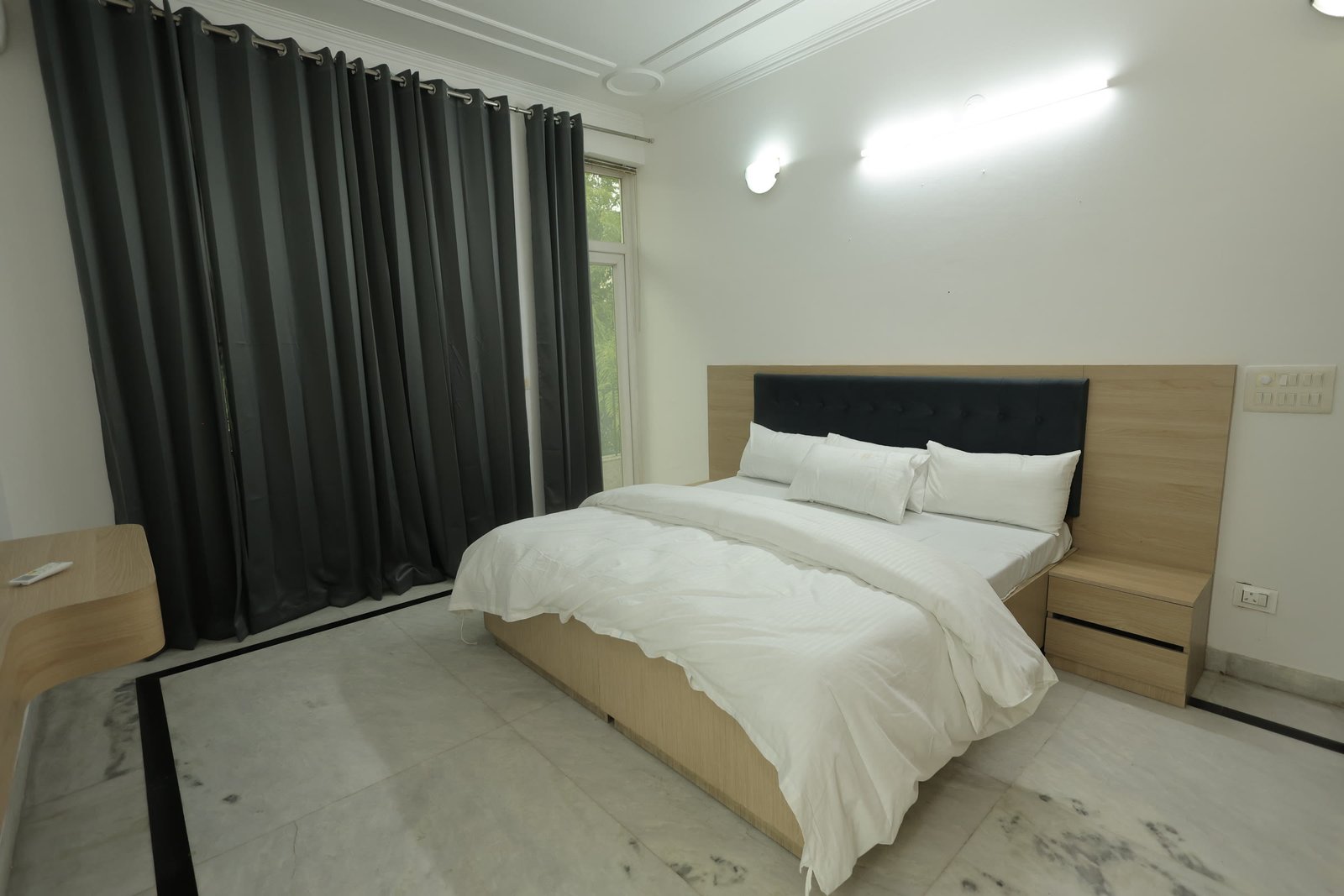
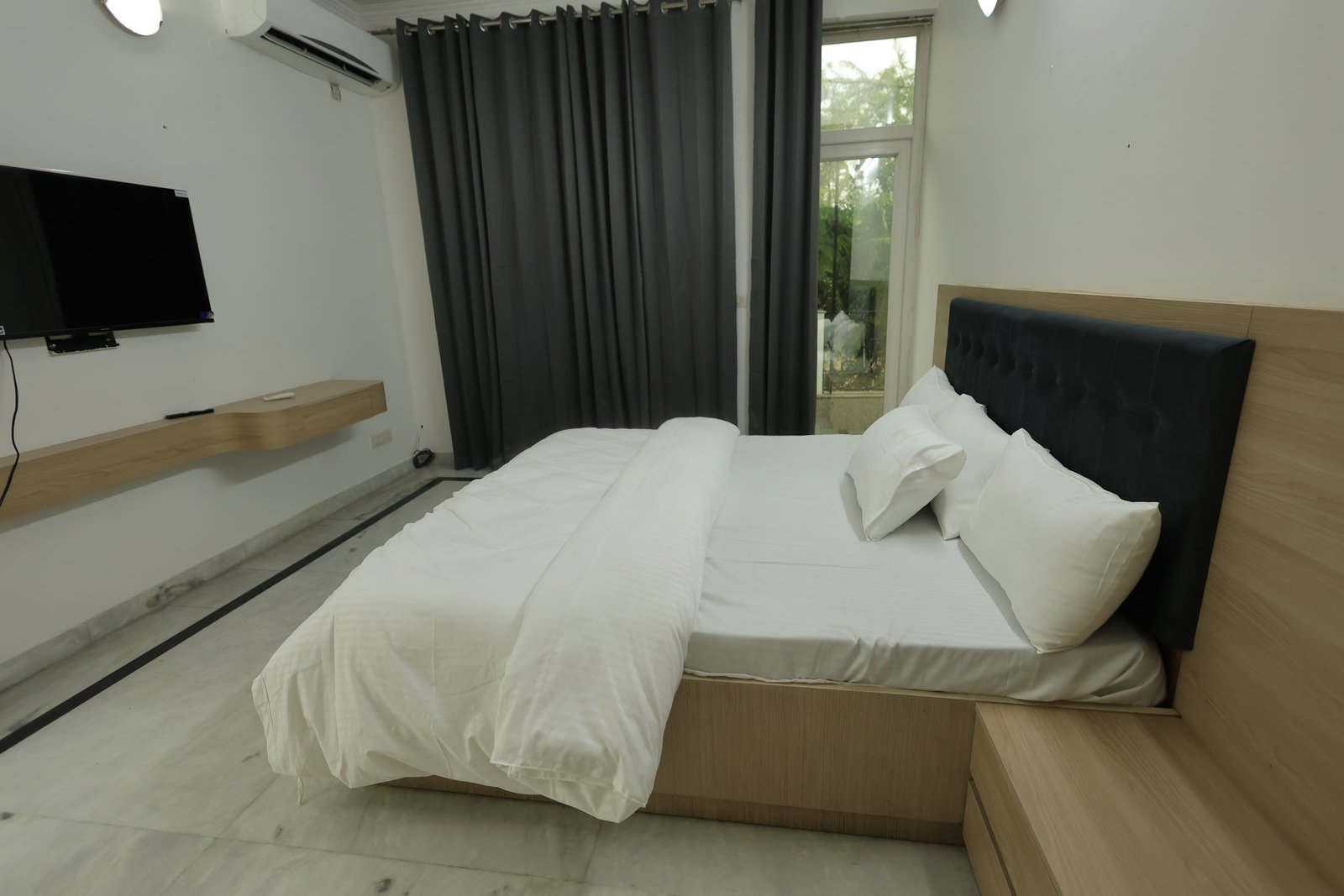
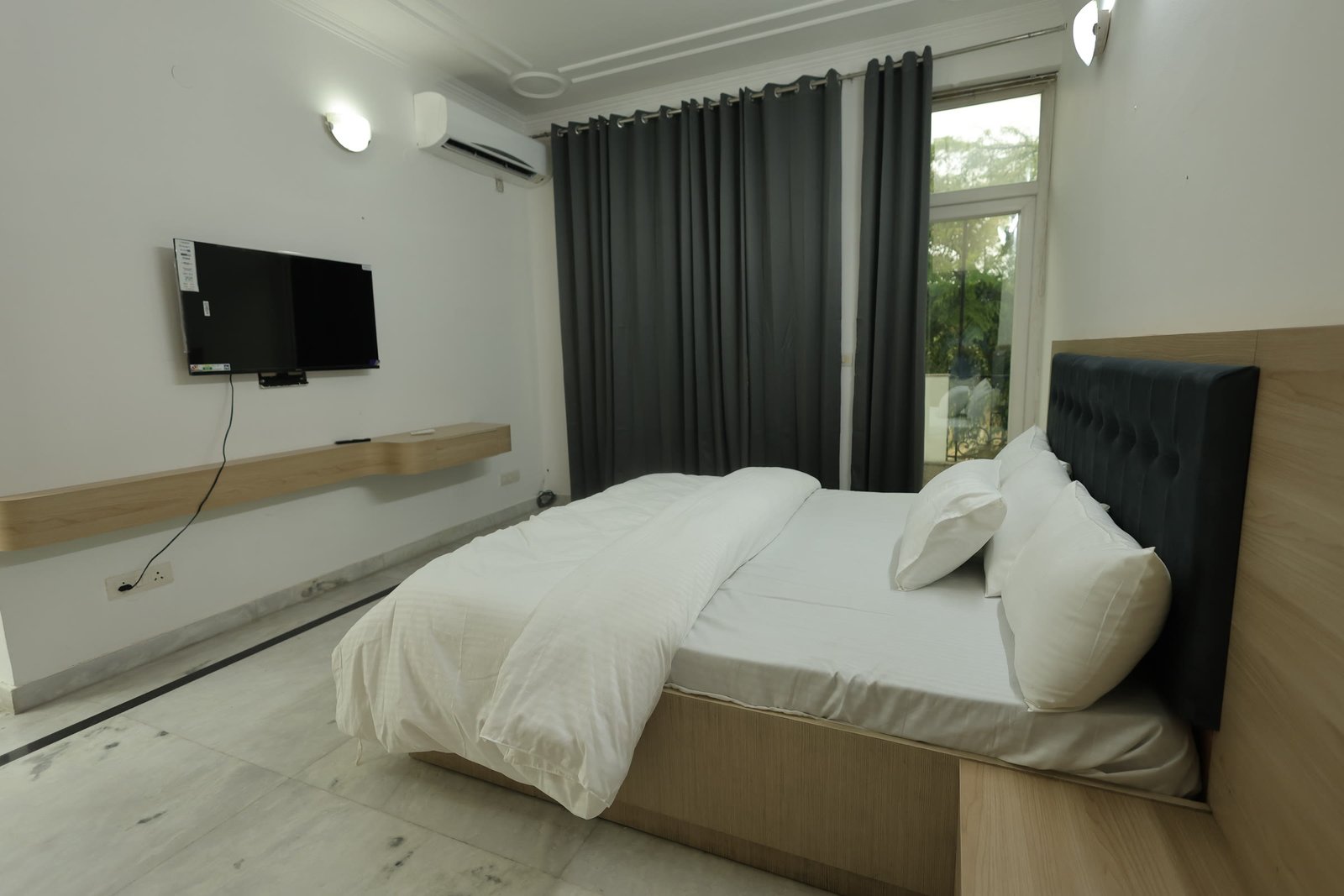
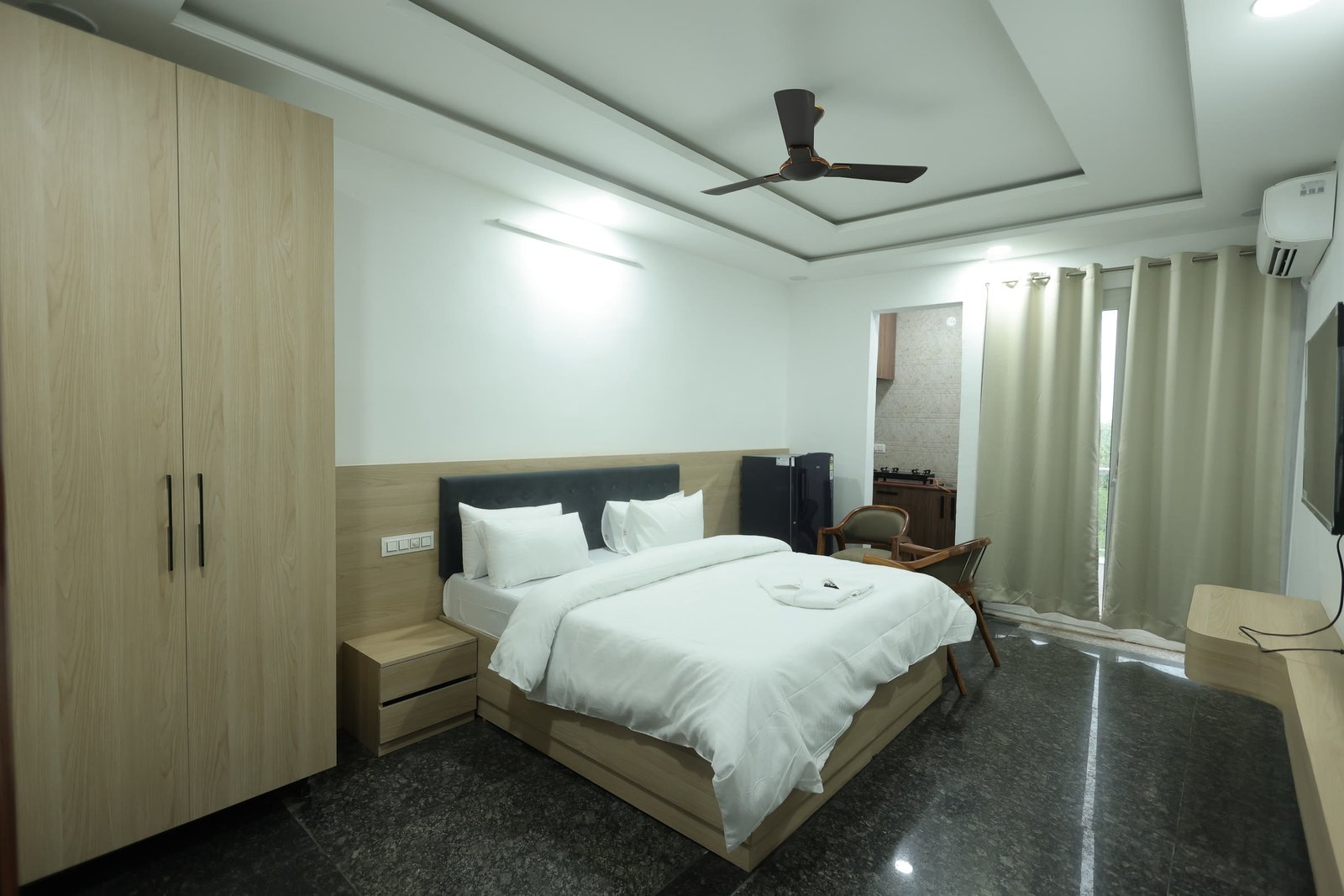
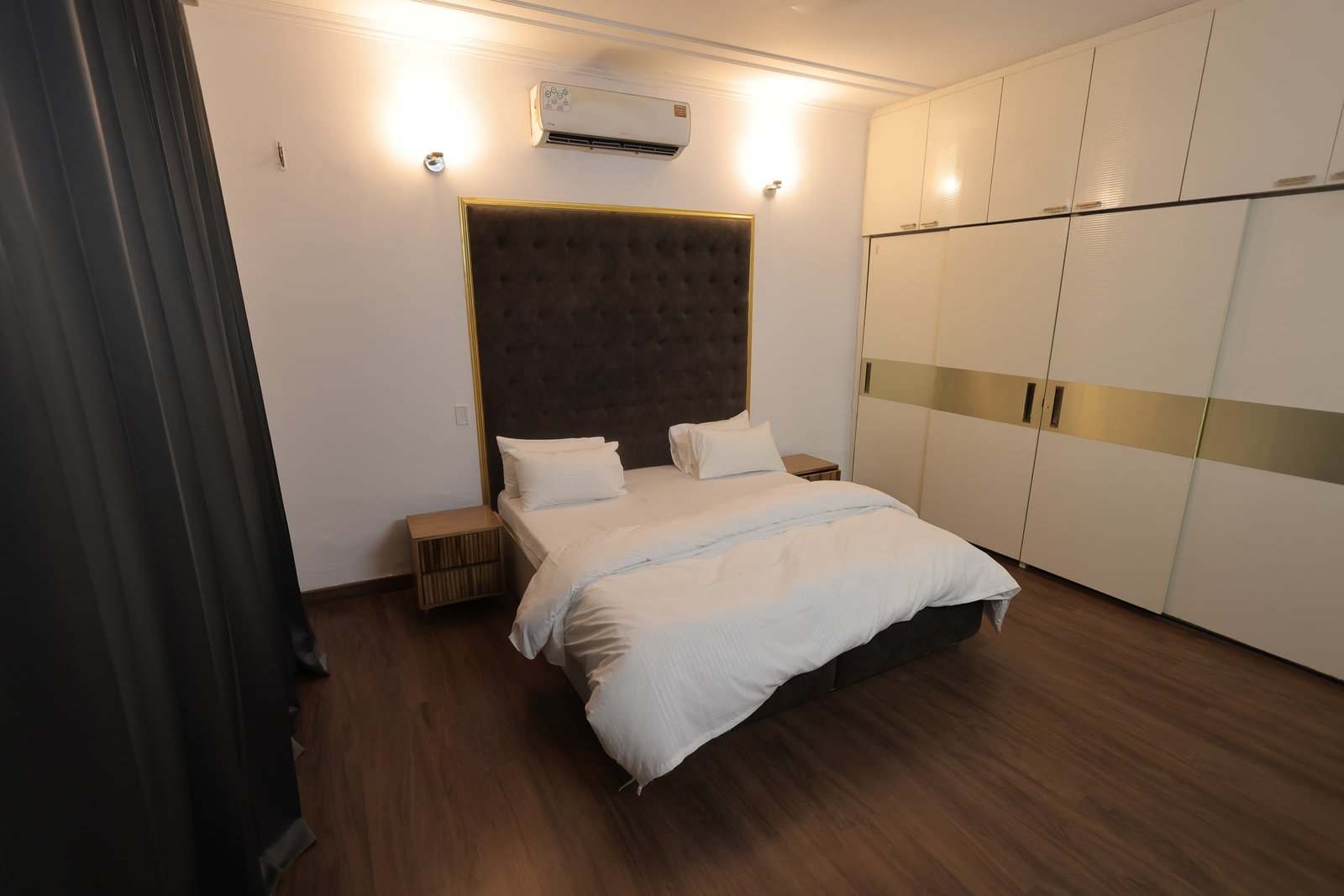
These are photographs of the rooms themselves, not stock images. Which category suits depends on how long the stay is and who is travelling with the patient — room categories and caregiver arrangements are confirmed during admission planning.
A suite with a separate living room
The living room is a room of its own, with seating for family who are visiting or staying, so the bedroom stays the patient’s. The bedroom has a television, a wardrobe and an attached bathroom.
A room with its own kitchenette
Self-contained: bedroom, seating, a private kitchenette and an attached bathroom. It suits families who would rather prepare their own food across a longer stay.
A single room with wardrobe storage
An air-conditioned bedroom with full-height wardrobe storage — the simplest of the three, and the one to ask about if the stay is short.
Send us the discharge summary and recent reports on WhatsApp and we will tell you honestly whether a residential programme is the right next step — call or WhatsApp +91 70786 42986.
Unsure which care model fits?
Don’t decide alone — share reports and let the assessment guide the choice.
The information on this website is for general educational purposes and does not replace an individual clinical assessment. Rehabilitation suitability, programme duration and outcomes vary according to the patient’s condition, medical stability, goals and response to therapy.