Treatments.
The disciplines that make up every Neuranta programme.
Rehabilitation programmes are assembled from therapy disciplines working to one shared plan. These pages explain what each therapy is, what it may address, and how it connects with the others — so families understand exactly what a programme contains and why.
Neuro Physiotherapy
Neuro physiotherapy is the retraining of movement after damage or disease of the brain, spinal cord or nerves. It uses the nervous system’s capacity…
Occupational Therapy
Occupational therapy rebuilds the activities that make up daily life — dressing, bathing, eating, cooking, working, playing. It treats independence…
Speech & Language Therapy
Speech and language therapy restores the ability to communicate and to swallow safely — capacities that shape dignity, relationships and safety more…
Swallowing Rehabilitation
Swallowing difficulty (dysphagia) after stroke, brain injury or neurological illness can make every meal a safety risk. Swallowing rehabilitation…
Gait Training
Gait training is the structured retraining of walking — pattern, symmetry, speed, endurance and safety. Because walking is a skill, it improves the…
Balance & Coordination Training
Balance is a trainable skill built from strength, sensation, vision, inner-ear input and practice. Balance and coordination training challenges these…
Functional Independence Training
The point of rehabilitation is not exercises — it is independence. Functional independence training works directly on the tasks that define…
Caregiver Education & Training
Caregivers determine what happens in the 165 hours a week the patient is not in therapy. Structured caregiver education converts willing family…
Orthopaedic Physiotherapy
Assessment and treatment for back, neck, shoulder, hip and knee pain, arthritis, sports injuries, fractures and recovery after surgery — including manual therapy, exercise-based rehabilitation and electrotherapy.…
Inpatient, day-care and outpatient options
Inpatient rehabilitation
Structured stay-in rehabilitation with daily therapy and caregiver involvement — often considered when intensive input or travel from another city makes daily visits impractical.
Day-care rehabilitation
Several therapy sessions in a single visit, returning home the same day — a middle path between admission and standard visits.
Outpatient rehabilitation
Scheduled sessions for patients living in or near Gurugram, or continuing a programme after an inpatient stay.
The appropriate care model is discussed after assessment — please do not feel you must choose one before speaking with the team. Learn about care & programs.
A clear pathway for outstation families
Most Neuranta families travel from outside Gurgaon. You do not need to travel first to find out whether rehabilitation is suitable.
Share reports from home
Send recent medical reports and a short video of current mobility or communication, with your consent, before planning any travel.
Preliminary call & video consultation
Our team reviews the reports, calls you to understand goals, and arranges a video consultation where appropriate.
Plan the visit
If an in-person assessment is advised, we help you plan travel, documents, caregiver needs and nearby accommodation options.
See Patients From Outside Gurgaon, Plan Your Visit and Nearby Accommodation Assistance.
Treatment as it actually happens
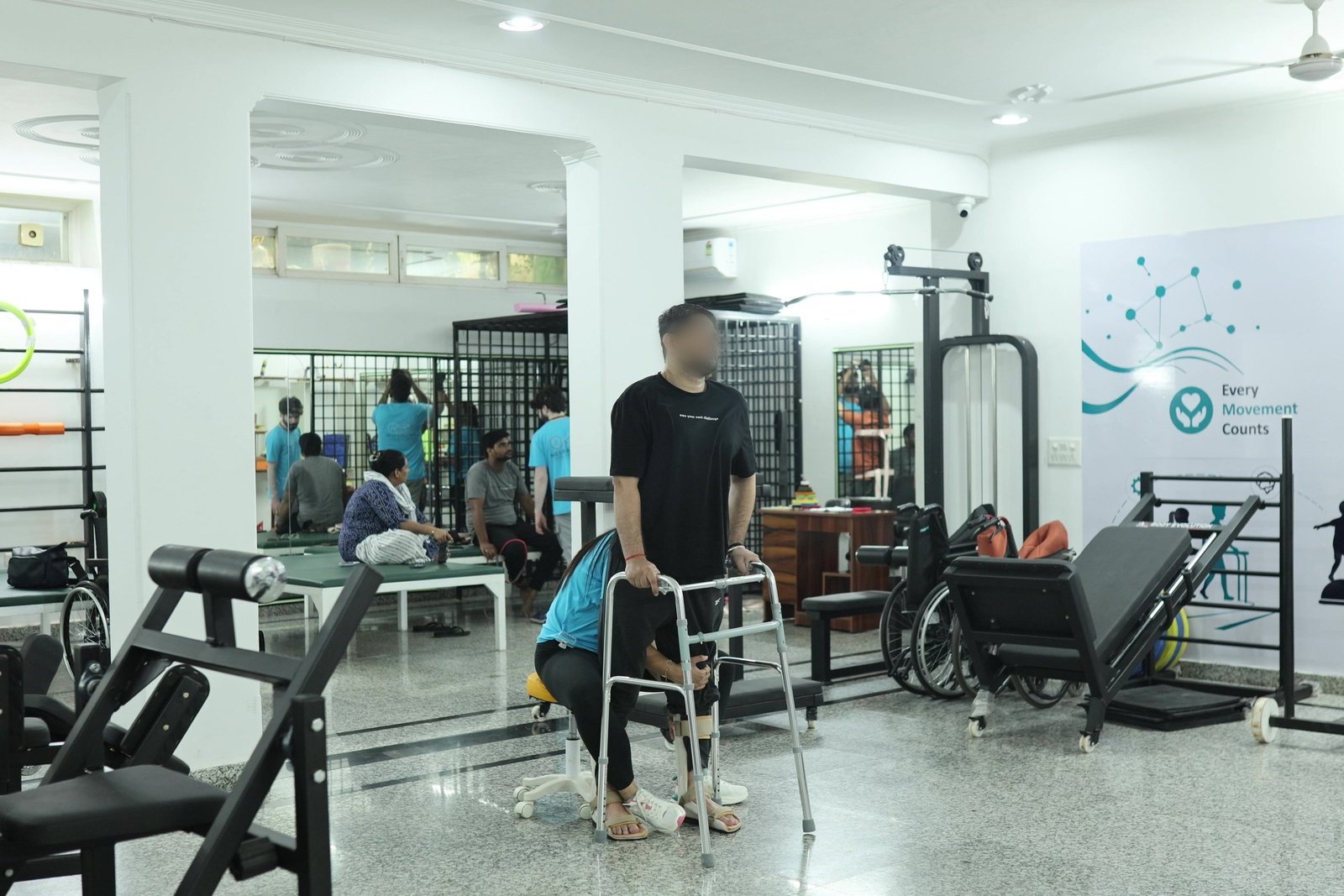
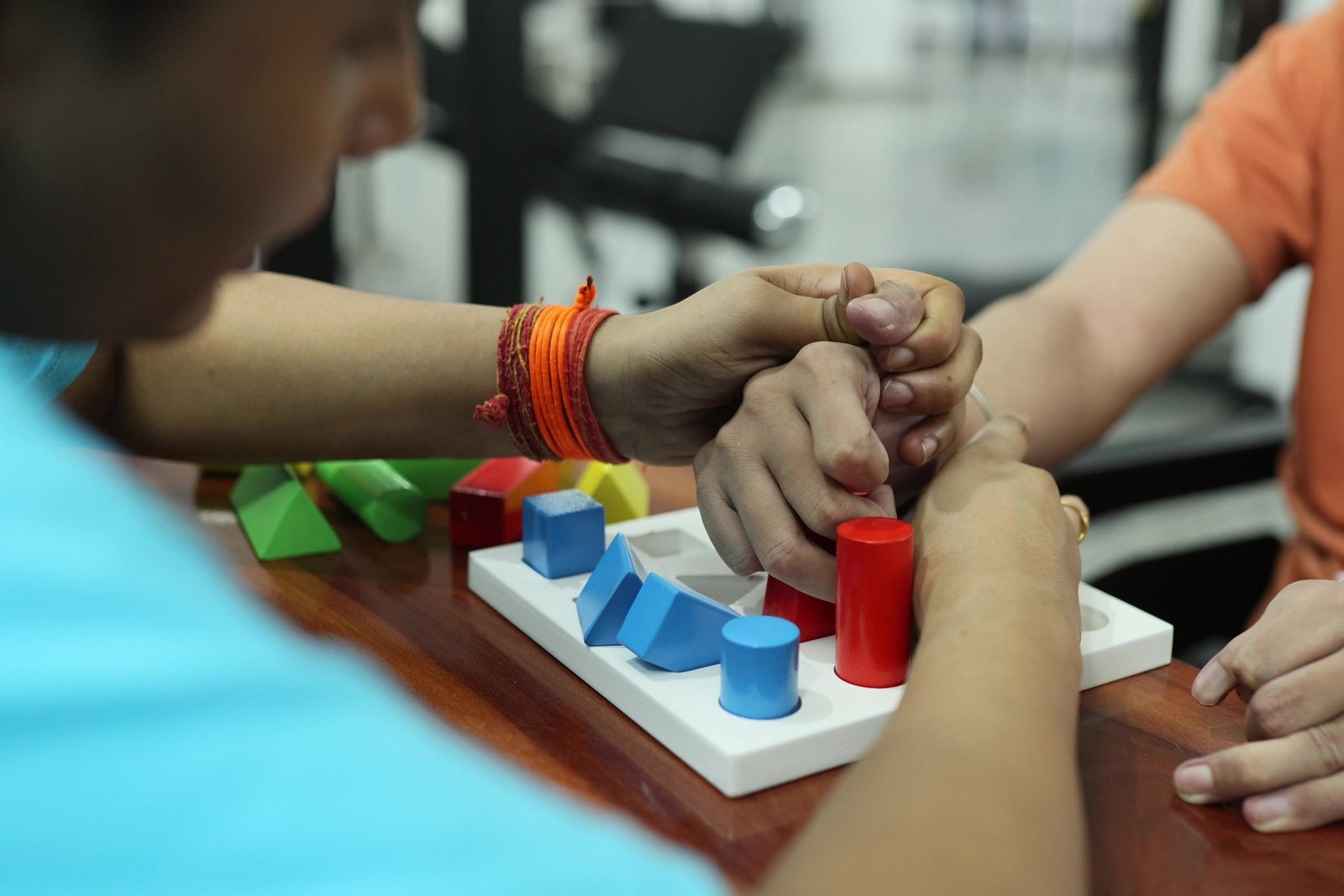
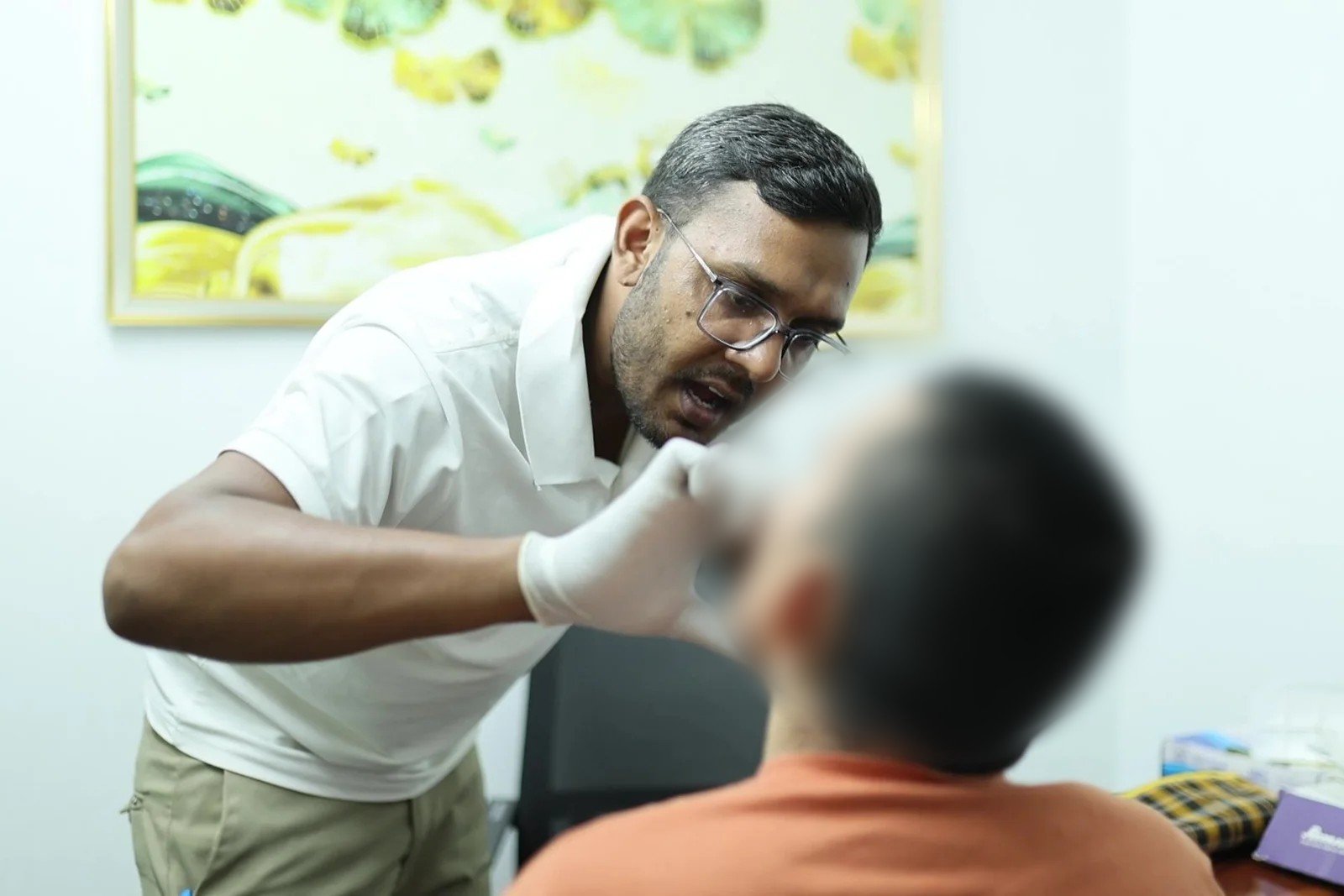
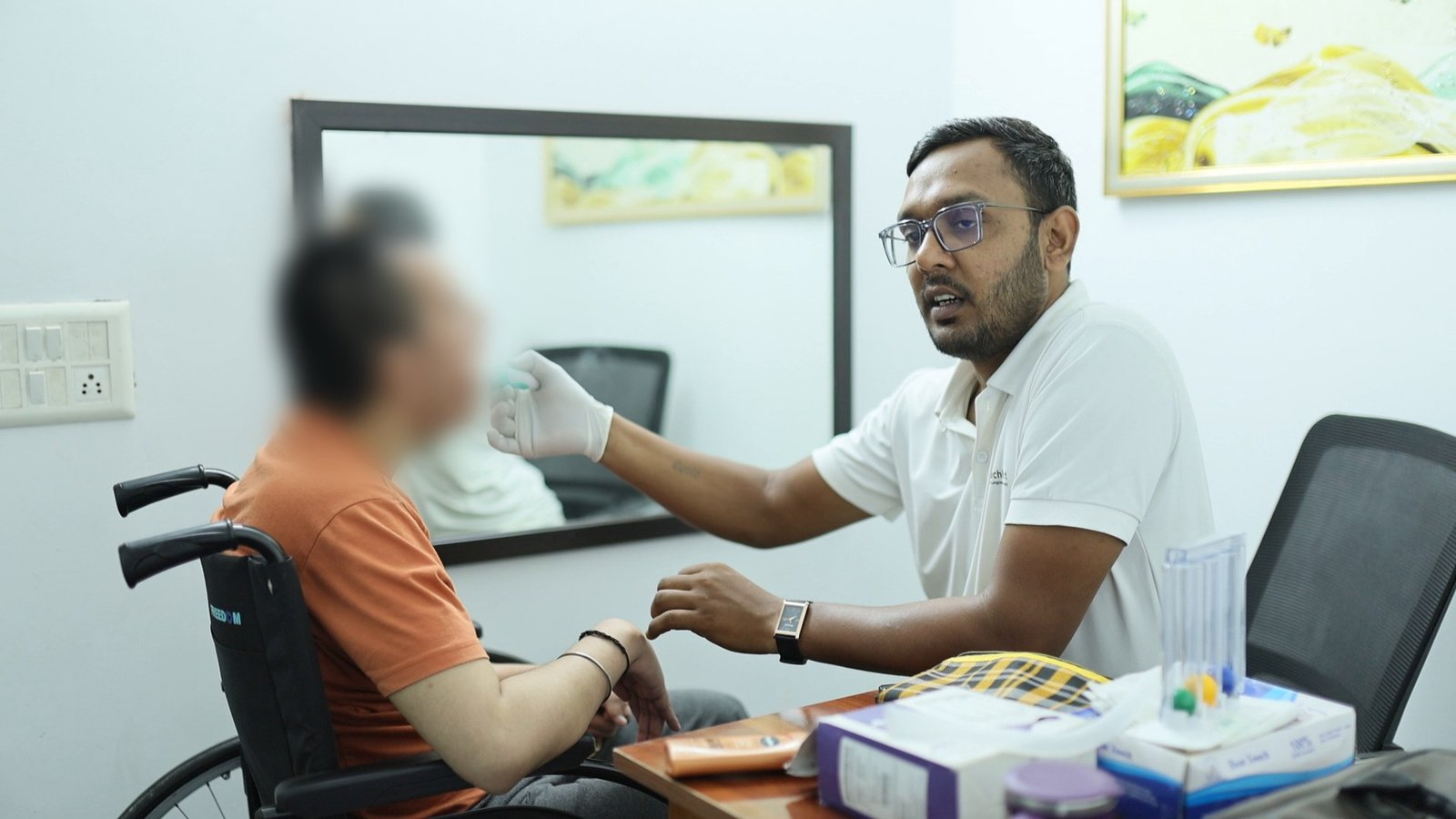
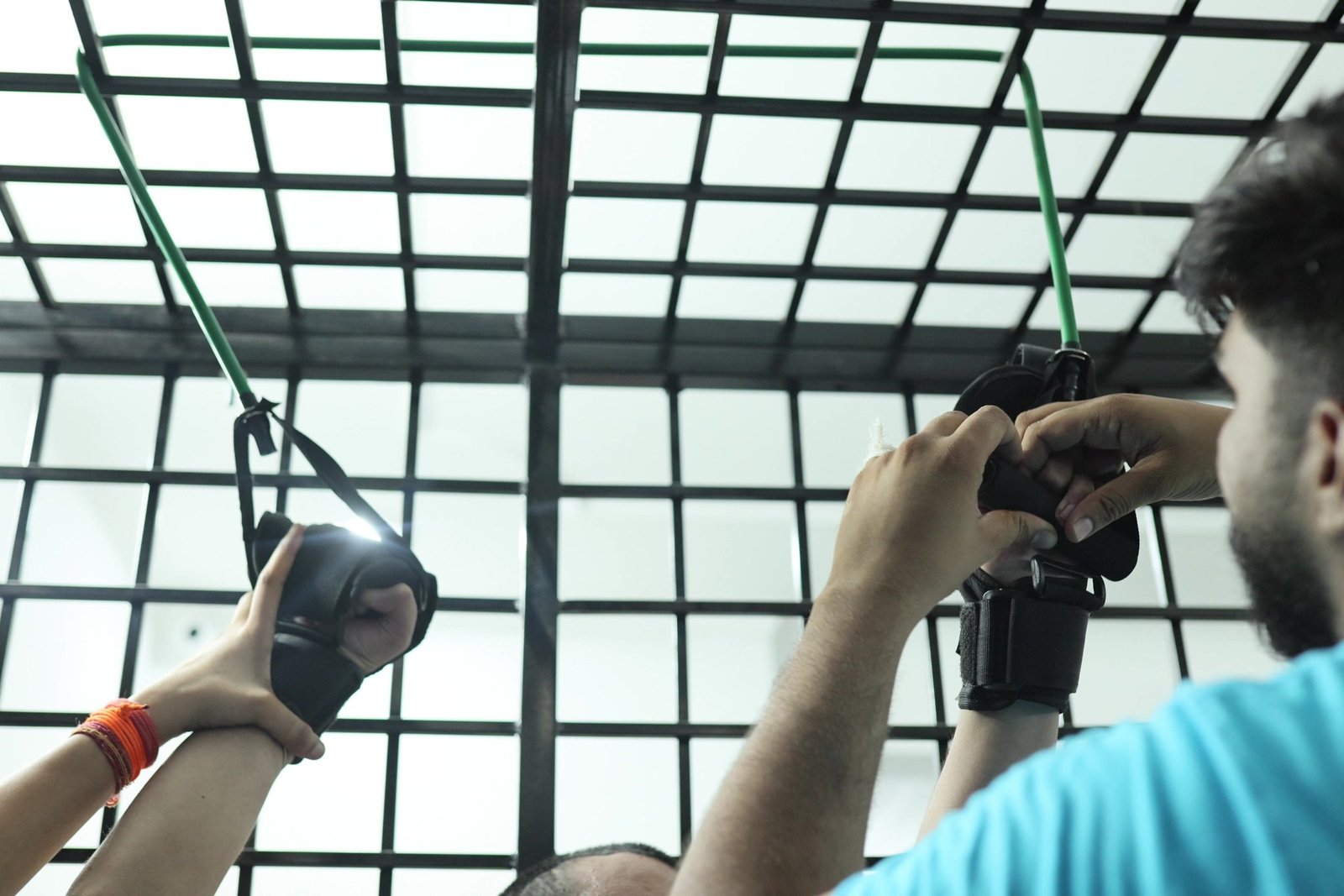
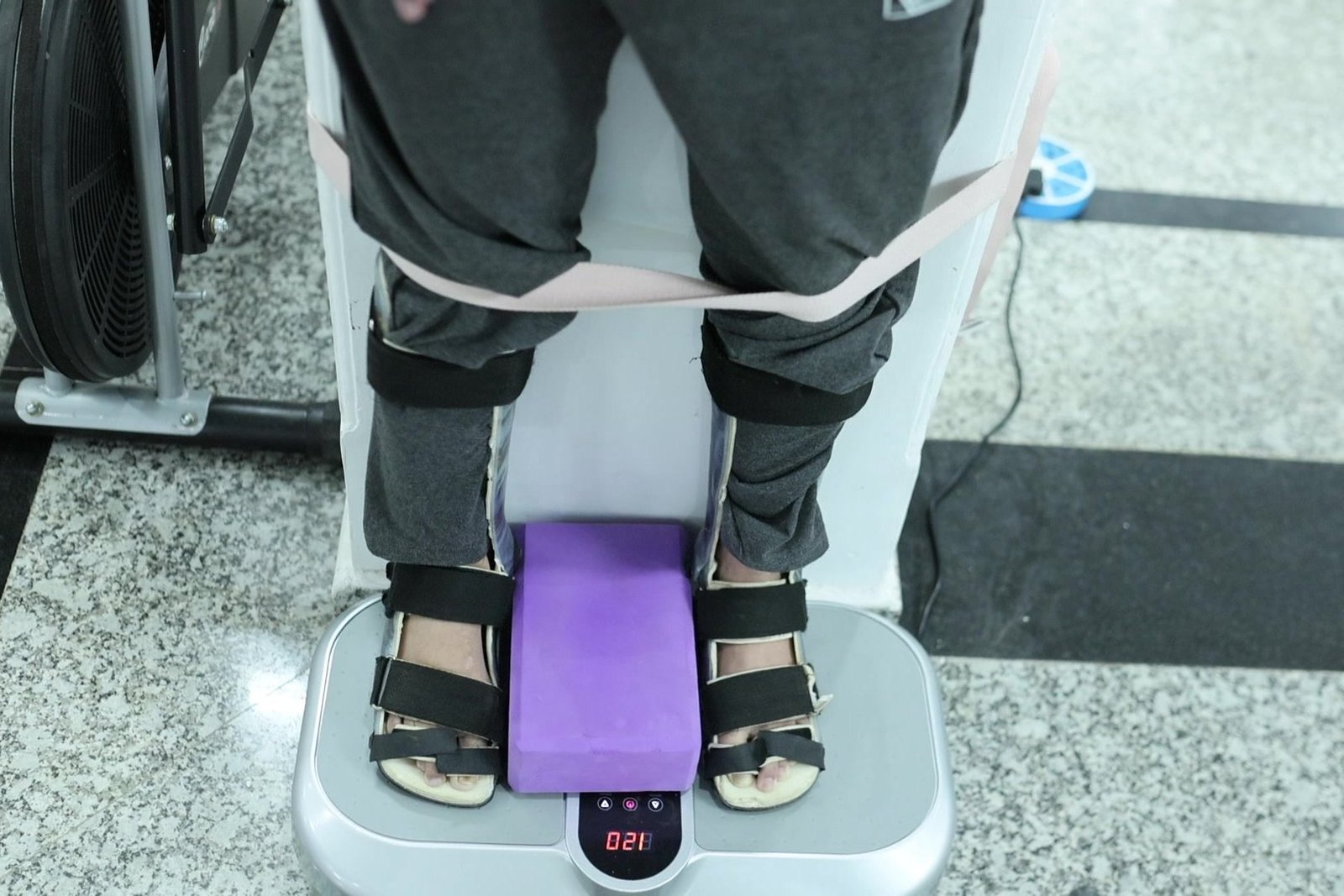
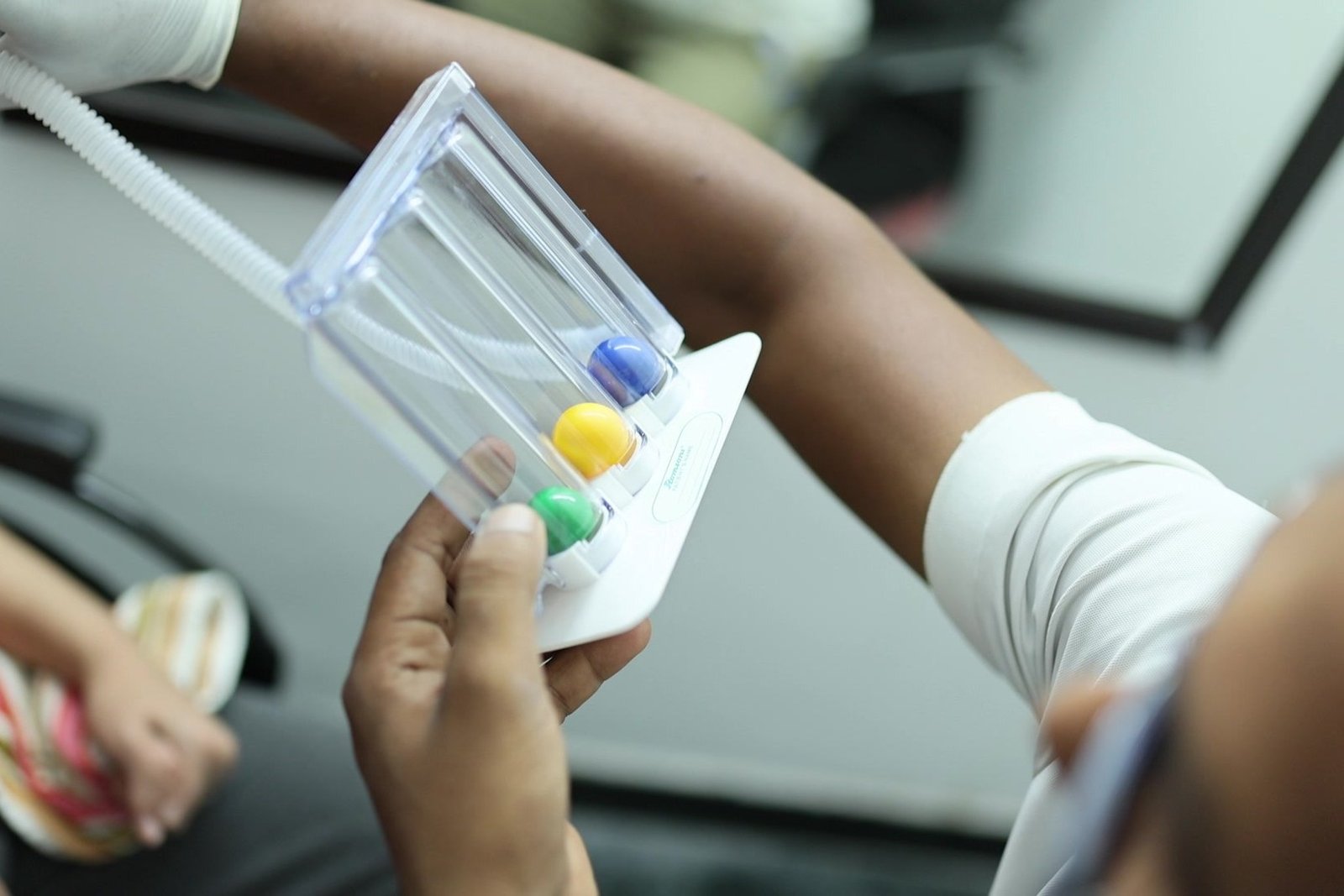
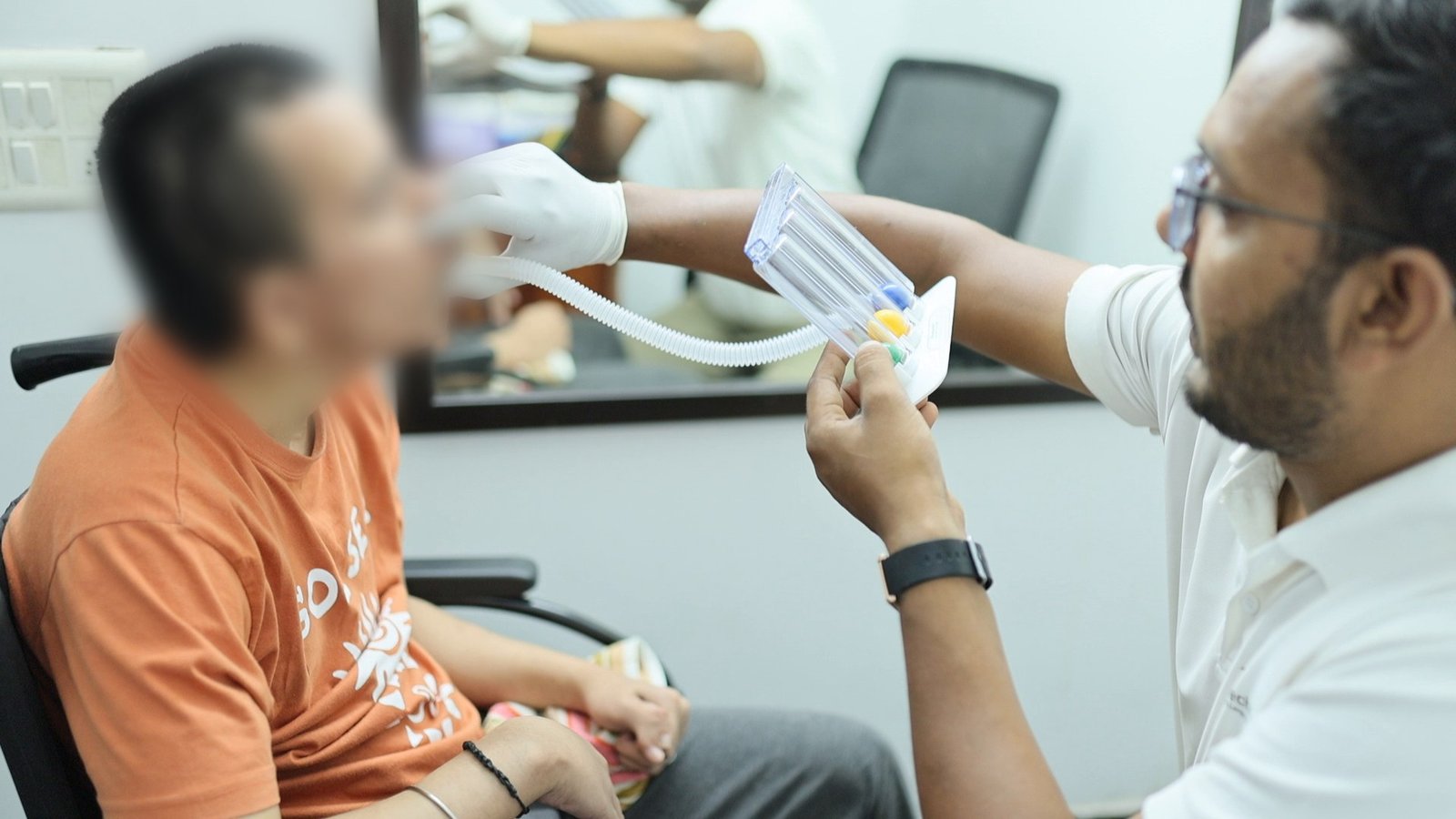
Every therapy listed above is delivered at our own centre in Sector 39, Gurugram — gait training, occupational therapy, speech therapy, swallowing rehabilitation and dysphagia therapy after stroke, assisted strengthening and balance re-education. These are photographs of that work, not stock images.
Let us understand the present condition and help you identify the next appropriate step.
Share recent reports and a short description of the current condition. Our rehabilitation team will call you to discuss assessment and the options that may be suitable.
The information on this website is for general educational purposes and does not replace an individual clinical assessment. Rehabilitation suitability, programme duration and outcomes vary according to the patient’s condition, medical stability, goals and response to therapy.